
If you are weighing up whether to become a certified yoga instructor, there is one simple question worth answering early: what does a 200 Hour Yoga Teacher Training Course actually include? Most people picture weeks of practising poses and while there is plenty of that, the truth is a lot broader. A good 200 hour program is really a full education in the practice, the philosophy and the craft of teaching and knowing what goes into it makes it much easier to understand what you are actually signing up for.
The 200 Hour Yoga Teacher Training, or YTT, is the foundation qualification for anyone who wants to teach yoga professionally. It is the recognised international starting point and it is built to give you two things at once, a deeper personal practice and the real skills to guide other people safely and with confidence. So here is an honest, clear look at what those 200 hours actually hold.
Asana Practice and Alignment
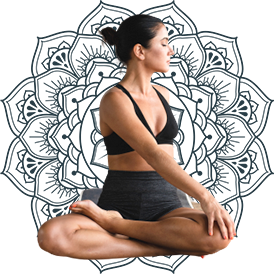
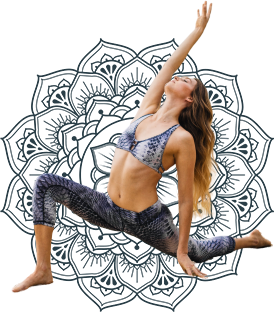
Asana, the physical posture most people think of when they hear the word yoga, sits at the centre of any 200 hour course. But teacher training goes a good deal further than just doing the poses. You learn how each posture is properly aligned, how to move into and out of it safely and what it is actually doing in the body. That is the real gap between performing a pose and understanding it well enough to teach it to someone else.
Alignment gets a lot of attention, and for good reason, it is what keeps both you and your future students safe. You learn to spot when something is off, how to correct it and how to adapt postures for different bodies and different ability levels. By the end you are not only holding a shape yourself, you can guide another person into it correctly and that turns out to be a genuinely different skill.
Pranayama and Breathing Techniques
Breath is right at the core of yoga and a 200 hour course gives real time to pranayama, the practice of breath control. You work through a range of breathing techniques, learn how each one affects the body and mind and discover how to use them to build focus, calm or energy. Breath is never treated as an afterthought here, it is one of the foundations the whole practice rests on.
Getting to grips with pranayama also quietly makes you a better teacher. Once you understand how breath shapes a session, you can help students breathe with their movement, settle a restless mind and get far more out of every posture. Breath awareness is often one of the first things that marks out a thoughtful teacher from someone who is simply reading poses off a list.
Meditation and Mindfulness
A 200 hour course also brings in meditation and mindfulness, partly for your own growth and partly as tools you will one day share. You learn different techniques, how to sit with a mind that will not stop chattering and how to build the clarity and calm yoga is meant to bring. This is the quieter, inward side of the practice and it carries just as much weight as anything physical.
For a teacher, this part is genuinely valuable. Yoga was never only about the body and more and more students walk into class looking for stillness and stress relief as much as movement. Being able to guide meditation and mindfulness means you can actually meet that need with real understanding, rather than improvising your way through it.
Yoga Philosophy and Lifestyle
To teach yoga with any real depth, you have to understand where it came from, which is why philosophy is a core piece of a 200 hour course. You study the roots of the practice, its traditional teachings and the yogic way of living and you start to see how yoga reaches well beyond the mat into how a person lives day to day. This is what gives your teaching substance instead of just physical cues.
That grounding is a big part of what separates a yoga teacher from a fitness instructor. When you actually understand the tradition behind what you are doing, you can share it honestly, field the deeper questions students sometimes ask and hold the practice in its proper context. It is what turns a string of poses into something with real meaning behind it.
Anatomy and Body Awareness
Any responsible 200 hour course includes some basic anatomy and body awareness, because you simply cannot teach safely without knowing how the body works. You cover the fundamentals of how muscles, joints and the skeleton function in relation to yoga and how to keep students out of harm’s way. This knowledge sits underneath everything you will go on to teach.
Body awareness is the practical flip side of that. It trains you to read bodies, to notice when someone is straining or out of alignment and to respond. Paired with your alignment training, this is what lets you teach a room full of very different people safely, which is one of the most important things a teacher is ever responsible for.
Teaching Methodology and Class Sequencing
Knowing yoga and being able to teach it are two very different things and this is exactly the gap teaching methodology fills. You learn how to build and sequence a class so it flows sensibly and safely from start to finish, how to cue postures clearly and how to lead a group without losing your nerve. This is the part of the course that turns what you know into the ability to actually run a room.
Sequencing especially is a real craft. A well built class warms the body up properly, moves through postures in an order that makes sense, and winds down into proper rest at the end. Learning to construct that flow, rather than just bolting poses together, is one of the most useful things a 200 hour course will ever hand you.
Practice Teaching Sessions
Maybe the single most important thing of all is practice teaching. A strong 200 hour course does not just talk about teaching, it actually puts you in front of others to do it. You lead sessions, give real instructions out loud and get honest feedback so you can improve. This is where all that theory finally turns into something you can do.
Nearly everyone is nervous the first time they teach and that is completely normal. It is the repetition, done with guidance, that slowly melts the nerves away and lets real confidence take their place. By the time you finish, you have taught actual sessions and fixed actual mistakes and that is what leaves you genuinely ready to lead a class rather than just qualified on paper.
What You Walk Away With
Finish a 200 Hour Yoga Teacher Training Course and you come away with far more than a certificate. You gain the core skills and knowledge to start leading classes safely and effectively, along with a noticeably deeper personal practice of your own. The certification qualifies you to begin teaching professionally, whether that is in studios, gyms, online or one to one.
At Yoga365, the 200 Hour Yoga Teacher Training Course is built around all of these elements, weaving together practice, philosophy and real teaching experience so students leave properly prepared to teach. The aim was never just to get you certified, it is to help you become a confident, capable instructor ready to actually begin teaching.
Final Thoughts
A 200 Hour Yoga Teacher Training Course is a complete foundation, pulling together asana and alignment, pranayama, meditation, philosophy, anatomy, teaching methodology and hands-on practice teaching. Each piece builds on the others to shape not just a knowledgeable practitioner but a capable teacher.
If you are ready to deepen your practice and step into teaching, a well structured 200 hour course is where it starts. With the right training behind it, it becomes far more than a certificate, it becomes the first real step in your journey as a yoga teacher.
Frequently Asked Questions
It is the foundational, internationally recognised certification that qualifies you to begin teaching yoga professionally.
Asana and alignment, pranayama, meditation, yoga philosophy, anatomy, teaching methodology and practice teaching.
No, a regular practice and basic familiarity with postures is enough, as the course builds you up from there.
Yes, the 200 hour certification qualifies you to begin teaching group classes as a professional instructor.
Because correct alignment keeps both you and your students safe and is essential for teaching postures properly.
Yes, it gives your teaching depth and context and is part of what separates a yoga teacher from a fitness instructor.
A strong course includes regular practice teaching with feedback, which is what builds real confidence before you certify.
Pranayama is breath control and it is central to yoga because breath supports focus, calmness and every posture.
Yes, alongside teaching skills you gain a noticeably deeper and more informed personal practice.
The skills and knowledge to teach yoga safely and confidently, plus the qualification to begin teaching professionally.
Share This Story, Choose Your Platform!
Related Posts


Contact Us
Want to know about our Corporate Yoga packages? Or International Yoga Day Sessions? Or yoga teacher training programs? Or our online and offline classes? Just submit the form below and we will get back to you will answers to all your questions!